The Earth’s Extremes: A Journey Through Natural Wonders, from Massive Coral Reefs to Explosive Volcanoes
🌋 Introduction: The Two Faces of Planetary Power
Hey adventurers, science enthusiasts, and anyone captivated by the sheer, overwhelming force of nature!
Our planet is a place of incredible contrasts. On one hand, you have slow, patient, painstaking beauty—like massive structures built by tiny, delicate organisms over millennia. On the other, you have sudden, violent, explosive power—the raw fire and pressure deep within the Earth finally bursting forth.
Today, we are diving deep into this spectrum of natural wonder, exploring destinations that represent the absolute extremes of Earth’s creative and destructive capabilities. We are looking at the places that prove our planet is constantly alive, constantly building, and constantly changing.
Our journey takes us from the calm, shallow, vibrant waters of the Giant Coral Reef to the ash-covered, smoking peaks of Active Volcanoes. These are the landscapes that dominate global searches because they are profound, visually stunning, and offer an adrenaline rush that only Mother Nature can provide.
So, buckle up (or perhaps strap on your dive gear), and let’s explore the powerful miracles that define our magnificent, ever-evolving Earth!
Part I: The Patient Builder – Massive Coral Reefs
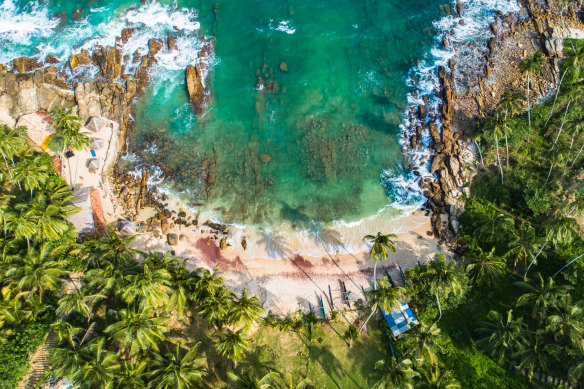
We start our journey in the warm, clear waters where life performs its greatest architectural feat. The coral reef is a landscape built by millions of tiny, soft-bodied animals over vast stretches of geological time. It is a symbol of biological teamwork and patient accumulation.
1. The Great Barrier Reef (GBR), Australia: The Living Continent
The Wonder: The World’s Largest Structure Built by Living Organisms
Why It’s a Must-See: Unparalleled biodiversity and astonishing color visible from space.
The Great Barrier Reef (GBR) is not just a popular vacation spot; it’s a colossal, complex ecosystem stretching over 2,300 kilometers (1,400 miles) along the coast of Queensland, Australia. It is literally the largest structure on Earth made by living things.
The Landscape of Life:
• Scale and Diversity: The GBR is made up of nearly 3,000 individual reefs and hundreds of islands. It’s an underwater city, home to 1,500 species of fish, 4,000 types of mollusk, and six species of sea turtles. The entire landscape is a riot of color—pinks, blues, purples, and neon greens—provided by the countless corals.
• The Structure: Corals are small polyps that excrete calcium carbonate, creating hard skeletons. Over millions of years, these skeletons stack up, forming the massive, complex structure we call the reef. It’s a literal Giant Coral Wall created one tiny layer at a time.
• The Visuals: Snorkeling or diving here is like entering a liquid kaleidoscope. The clarity of the water allows sunlight to penetrate, illuminating the vibrant colors of the coral gardens and the swirling schools of fish. The white sandy cays that dot the reef add contrast and serve as perfect resting spots.
Experiencing the Wonder (Travel Hacks):
• Dive In: While snorkeling is great, certified divers can explore deeper reef walls and complex canyons, getting up close with larger marine life like potato cod, reef sharks, and turtles.
• Choose Outer Reefs: For the best coral health and visibility, choose a tour that ventures further out from the mainland (usually requiring a longer boat ride).
• Be a Guardian: Given the threats posed by climate change, remember that your visit should be responsible. Use reef-safe sunscreen (free of oxybenzone and octinoxate) and never, ever touch the coral.
The Contrast: The GBR represents creation on the longest possible timescale—slow, deliberate, and biological. It is fragile beauty built on a massive scale.
Part II: The Violent Creator – Active Volcanoes
Now, we switch from the calm, shallow water to the Earth’s fiery heart. Volcanoes are nature’s pressure valves, constantly reshaping the land with liquid rock and ash. They are symbols of immense geological power.
2. Kilauea Volcano, Hawaii, USA: The Gentle Destroyer
The Wonder: One of the World’s Most Active and Accessible Volcanoes
Why It’s a Must-See: Watching the continuous creation of new land and feeling the heat of the lava.
Kilauea, located on the Big Island of Hawaii, is famous for being one of the most active volcanoes in the world. Its activity is usually non-explosive, making it a spectacular and relatively safe place to witness the Earth’s fiery breath.
The Landscape of Fire:
• Continuous Creation: Kilauea is constantly pouring out lava, adding new land to the island. Visitors can witness landscapes ranging from steaming craters (like the massive Halema‘uma‘u) to vast fields of black, hardened lava rock that look like frozen waves.
• The Red Glow: While lava flows are unpredictable, the constant presence of the glowing crater provides a mesmerizing, fiery spectacle, particularly at night. Seeing the molten rock glow red beneath a crust of black is a profound connection to the Earth’s core.
• Unique Ecosystems: The volcano’s slopes are home to unique flora and fauna that thrive on the volcanic soil, creating a landscape that shifts dramatically from lush rainforest to barren, steaming rock.
Experiencing the Wonder (Travel Hacks):
• Visit Volcanoes National Park: This park offers safe viewing platforms and trails (like the Kilauea Iki Crater Trail) that allow you to hike directly across a frozen lava lake.
• Go at Night: To best see the red glow of the magma inside the craters, plan your visit for the hours before sunrise or after sunset.
• Respect the Flow: Always obey park rangers and warning signs. Lava flows are dangerous, unpredictable, and often emit harmful gases. Never venture off marked trails.
The Contrast: Kilauea represents geological creation in the fastest, most violent form—instantaneous, fiery, and dramatic.
Part III: The Fusion of Fire and Water
Some of the most incredible wonders occur where the forces of the patient builder (water) collide with the violent creator (fire).
3. Iceland: The Land of Ice and Fire
The Wonder: Where Volcanic Heat Meets Glacial Ice
Why It’s a Must-See: Geysers, black sand beaches, and geothermal energy.
Iceland is the ultimate natural laboratory, sitting directly on the Mid-Atlantic Ridge—where the North American and Eurasian tectonic plates are pulling apart. This geological turmoil results in a land of extremes.
The Landscape of Collision:
• Black Sand Beaches: The volatile volcanic activity creates landscapes like Reynisfjara black sand beach, where the sand is jet-black from eroded basalt lava, contrasting fiercely with the crashing white foam of the Atlantic.
• Geothermal Activity: The heat from the magma powers the entire island, creating the famous Golden Circle attractions: the Strokkur Geysir (a literal geyser named after the original) and powerful, two-tiered waterfalls like Gullfoss.
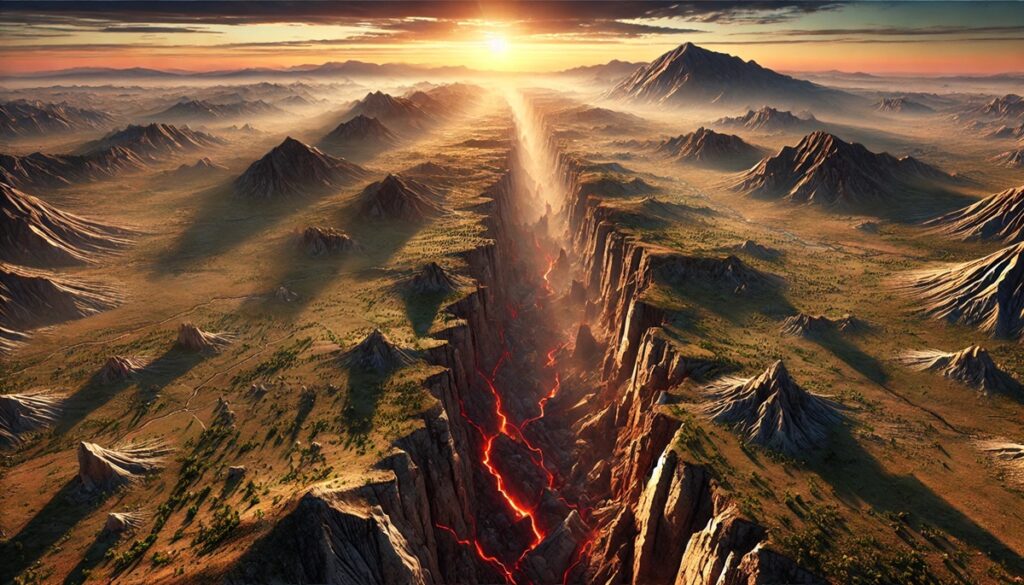
• The Rift Valley: You can literally walk in the rift valley between the two tectonic plates in Þingvellir National Park, seeing the massive cliffs where the continents are separating. It is the most powerful evidence of our active planet.
Experiencing the Wonder (Travel Hacks):
• The Blue Lagoon (or Secret Lagoon): Relaxing in the geothermal-heated waters, surrounded by the volcanic landscape, is the perfect way to appreciate the heat source beneath your feet.
• Aurora Hunting: In winter, the volcanic landscape provides a stunning backdrop for the Northern Lights, combining two of the planet’s greatest natural phenomena.
4. Rotorua, New Zealand: The Colored Thermal Pools
The Wonder: A Town Built on Geothermal Steam and Neon-Colored Water
Why It’s a Must-See: Boiling mud pools, steam vents, and intensely colored mineral pools.
Rotorua, on New Zealand’s North Island, is the most vibrant example of geothermal energy shaping a landscape.
The Landscape of Extremes:
• Vivid Colors: Parks like Wai-O-Tapu Thermal Wonderland showcase pools painted in unnatural, highly saturated colors—electric green, mustard yellow, and vivid orange. These colors are created by mineral deposits (sulfur, iron) reacting with the water, proof of the intense chemistry at play beneath the surface.
• The Activity: Mud pools bubble and belch, steam vents hiss constantly, and the air is thick with the smell of sulfur. It is a loud, active, and multi-sensory environment.
• The Contrast: The brightly colored, fragile pools are often surrounded by lush, temperate forest, making the whole scene look like a high-fantasy painting.
Experiencing the Wonder (Travel Hacks):
• Mind the Smell: The sulfur smell is strongest on arrival but fades quickly as you get used to it. Don’t let it put you off the stunning visual experience.
• Wait for the Geyser: Check the time for the Lady Knox Geyser eruption (often induced daily at a set time) to witness the raw power of the steam and pressure released from the earth.
Part IV: Sculpted by Time and Pressure – Geological Giants
Finally, we look at the monumental structures where pressure, water, and immense time have created geological masterpieces that span both above and below the surface.
5. The Grand Canyon, USA: The Mile-Deep Cut
The Wonder: A Colossal Chasm Carved by Water and Tectonics
Why It’s a Must-See: The sheer, humbling scale and the exposed timeline of Earth’s history.
We revisit the Grand Canyon to acknowledge that its creation involved both the patient work of water (the Colorado River) and the immense pressure of tectonics (the uplift of the Colorado Plateau).
The Landscape of Monumental Time:
• Uplift and Erosion: The canyon was formed because the entire Colorado Plateau was lifted upwards (a process driven by internal pressure), while the tiny, persistent river continued to cut downward. It’s a battle between internal pressure and surface erosion.
• The Sheer Drop: The mile-deep drop is the most immediate, breathtaking sight. This verticality is what defines the Grand Canyon’s magnificence and is what makes photos so dramatic.
• Layered History: The exposed, colored rock layers are a geological timeline, revealing nearly two billion years of the Earth’s ancient past, laid bare for us to see.
Experiencing the Wonder (Travel Hacks):
• Hike Below the Rim: To truly appreciate the battle between water and rock, you must hike into the canyon. Even a short descent gives you a visceral feeling of the scale and the overwhelming silence of the immense space.
6. The Himalayas (Mount Everest): The Result of Continental Collision
The Wonder: The World’s Highest Peaks, Formed by a Tectonic Crash
Why It’s a Must-See: Experiencing the scale of the collision between two continents.
The Himalayan range, home to Everest, is the ultimate testament to pressure and collision on a planetary scale.
The Landscape of Collision:
• The Crash Site: These mountains were created when the Indian continental plate slammed into the Eurasian plate millions of years ago, pushing the land upwards to form the highest mountain range on Earth.
• Visual Height: The mountains are not just tall; they are incredibly steep and jagged, covered in immense ice fields. The visual verticality is unmatched anywhere else in the world.
• The Beauty of Ice: The massive glaciers and icefalls are clear evidence of the freezing, immense height, which contrasts with the valleys carved by ancient rivers.
Experiencing the Wonder (Travel Hacks):
• The EBC Trek: The journey to Everest Base Camp allows you to physically walk through the valleys carved by the rising mountains, witnessing the scale of the collision firsthand.
🌎 Conclusion: The Constant Miracle
From the tiniest coral polyp to the most massive volcano, the natural wonders of our world are defined by these incredible extremes of creation, destruction, patience, and violence.
The Giant Coral Reef reminds us that beauty can be built slowly and meticulously by life, while the Active Volcano proves that the Earth is always ready to explode and reshape itself in an instant.
Exploring these places—whether snorkeling in the tropics or hiking across black lava fields—gives us a profound appreciation for the forces that shape the beautiful, dynamic, and fragile home we call Earth.