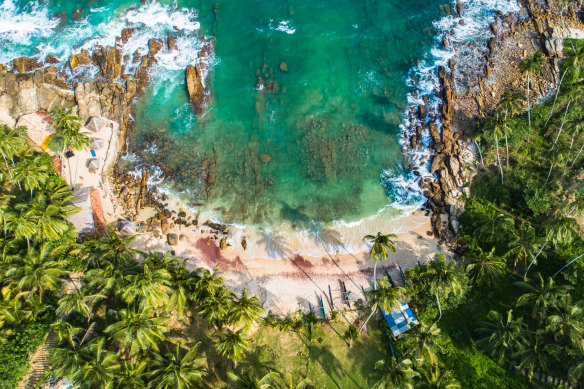
Raja Ampat, Indonesia – Paradise at the Edge of the World
Introduction: Where Paradise Still Feels Untouched
There are places in the world that photos can’t truly capture — where every color feels too vivid, every sunset too perfect, and every moment too surreal to describe. Raja Ampat is one of those places.
Tucked away in Indonesia’s far eastern corner, this remote archipelago isn’t just another tropical destination — it’s paradise at the edge of the world. Imagine emerald islands scattered like jewels across a turquoise sea, coral reefs bursting with life, and beaches so untouched you’ll feel like the first person to ever set foot on them.
Raja Ampat isn’t about fancy resorts or crowds of tourists. It’s about raw beauty, nature’s masterpiece, and that feeling of complete awe that reminds you how magical Earth can be.
If you’ve ever dreamed of discovering a place that feels far from civilization but close to heaven — welcome to Raja Ampat.
1. Getting to the Edge of the World
First things first — getting to Raja Ampat is part of the adventure.
From anywhere in the world, you’ll likely fly into Jakarta or Bali, then take a domestic flight to Sorong, a port city in West Papua. From there, a ferry or speedboat takes you to Waisai, the gateway to the islands.
The journey may sound long, but every step brings you closer to paradise. And trust me, the moment you see those tiny green islands scattered across glowing blue water from the plane window — you’ll know it’s worth every minute.
Pro tip: Pack light, bring reef-safe sunscreen, and prepare to disconnect from the world. Wi-Fi here is rare — and that’s exactly the point.
2. First Impressions: Nature’s Living Painting
When you first arrive, it hits you — the colors, the silence, the sheer beauty. Raja Ampat looks like something out of a dream or a fantasy movie.
The karst islands rise dramatically from the ocean, covered in lush jungle. The water is crystal clear, shifting from sapphire to turquoise to emerald with every ripple. And the air? It smells of salt, rain, and untouched forest.
You won’t find traffic, noise, or crowds here. Just the sound of waves, birds, and sometimes your own heartbeat echoing against the cliffs. It’s peaceful in a way that feels almost spiritual — as if the Earth itself is whispering, “Slow down, and just be.”
3. The Heart of Raja Ampat: The Four Kings
The name Raja Ampat literally means “Four Kings.” It refers to the four main islands — Waigeo, Batanta, Salawati, and Misool — each with its own personality and charm.
Waigeo
The largest and most accessible island, home to Waisai and several eco-resorts. It’s perfect for first-time visitors who want easy access to diving spots, jungle trekking, and cultural villages.
Batanta
A quieter island, ideal for those who want solitude. Known for waterfalls, mangrove forests, and birdwatching — including the iconic Bird of Paradise.
Salawati
Less visited and more traditional, Salawati offers authentic Papuan culture and untouched nature. Getting there feels like traveling back in time.
Misool
The southern gem of Raja Ampat, Misool is a diver’s paradise. The reefs here are legendary, and the island’s eco-resorts are among the most sustainable in the world. Think crystal lagoons, hidden caves, and surreal coral gardens.
Each island has its own rhythm, but all share the same essence — wild beauty, deep calm, and endless adventure.
4. Diving Into Another World
Raja Ampat is, without question, one of the best diving destinations on the planet.
It’s the crown jewel of the Coral Triangle, a region with the highest marine biodiversity in the world. Scientists say that 75% of all coral species and more than 1,500 species of fish can be found here.
When you dive beneath the surface, it’s like entering another universe — one filled with color, movement, and life.
You’ll glide over coral gardens that look like living rainbows, swim alongside manta rays the size of cars, and maybe even spot shy wobbegong sharks resting under ledges.
Top dive spots include:
• Manta Sandy (for — you guessed it — graceful manta rays)
• Cape Kri (famous for breaking the record of 374 fish species in a single dive!)
• Blue Magic (a legendary underwater pinnacle full of surprises)
• Melissa’s Garden (a coral wonderland bursting with life)
Even if you’re not a diver, you can snorkel in shallow reefs that are just as spectacular. The water is so clear you can see clownfish darting through coral just a few meters from the shore.
5. Kayaking Through Hidden Lagoons
Not all adventures in Raja Ampat happen underwater.
One of the best ways to explore the islands is by kayak — gliding quietly through secret lagoons and mangrove channels, surrounded by limestone cliffs and echoing bird calls.
You might paddle into a lagoon so still that the reflection of the cliffs looks like glass, or discover a tiny beach where you can stop for a swim. Every turn feels like a new secret revealed.
If you’re lucky, dolphins might play near your kayak, or a sea turtle might surface beside you before disappearing again into the deep blue.
6. Piaynemo Viewpoint – The Icon of Raja Ampat
If you’ve ever seen a photo of Raja Ampat — the one with tiny green islands dotting turquoise water — you’ve probably seen Piaynemo.
Reaching the viewpoint requires climbing a long wooden staircase (about 300 steps), but when you reach the top… it’s breathtaking.
From above, you’ll see a panoramic view of karst islands that look like emerald jewels floating on liquid glass. It’s one of those “wow” moments that makes every drop of sweat totally worth it.
Try to go early in the morning or late afternoon when the sun casts golden light across the landscape. It’s not just a view — it’s an experience that stays with you forever.
7. The People and Culture of Raja Ampat
Beyond the scenery, what truly makes Raja Ampat special is its people.
The locals, mostly of Papuan heritage, are warm, welcoming, and deeply connected to nature. They live in small coastal villages, often fishing or crafting for their livelihoods.
You’ll hear children laughing by the beach, see women weaving pandan mats, and men returning from fishing with the day’s catch.
Visitors are often invited to local gatherings or dances — a beautiful way to experience Papuan culture, which is vibrant, rhythmic, and full of heart.
In places like Arborek Village, travelers can stay in homestays run by local families — a wonderful way to support the community while experiencing authentic island life.
8. Eco-Travel and Sustainability
Raja Ampat is a paradise, but it’s also fragile. The coral reefs, marine life, and pristine islands need protection — and locals know it.
That’s why many areas here are part of marine protected zones, managed jointly by communities and conservation groups.
Eco-resorts like Misool Eco Resort lead by example — banning fishing in their waters, using solar power, and working with locals to preserve the ecosystem.
As a visitor, you’re encouraged to travel responsibly:
• Use reef-safe sunscreen
• Avoid touching corals or feeding wildlife
• Bring reusable bottles and bags
• Support local businesses and homestays
In Raja Ampat, sustainability isn’t a trend — it’s a way of life.
9. Wildlife Encounters on Land
While the underwater world steals the spotlight, Raja Ampat’s land life is just as fascinating.
Birdwatchers come from all over the world to see the Red Bird of Paradise — one of the most spectacular birds on the planet. Watching its courtship dance at sunrise, deep in the forest, feels like witnessing nature’s theater.
You’ll also find monitor lizards, flying foxes, parrots, and unique orchids hidden in the jungle.
Trekking through Waigeo’s forests, with tropical humidity and the symphony of cicadas, is an adventure in itself.
10. Sunset Magic
Every evening in Raja Ampat feels like the world slows down just for you.
As the sun dips below the horizon, the sky explodes in shades of pink, orange, and gold, reflected on calm waters. The silhouettes of the karst islands add drama to the scene, while the sound of waves lapping gently against the shore completes the moment.
Whether you’re on a jetty, a kayak, or a hammock outside your bungalow — sunsets here are pure poetry.
It’s the kind of beauty that makes you put your phone down and simply breathe.
11. Local Cuisine: A Taste of the Islands
After a day of exploring, nothing beats sharing a simple meal with locals.
Food in Raja Ampat is fresh, humble, and full of flavor — mostly seafood caught that same day. You’ll find grilled fish with sambal (spicy chili sauce), coconut rice, cassava leaves, and sometimes freshly picked tropical fruits.
If you’re staying in homestays, meals are often served family-style, with laughter and stories flowing as easily as the sea breeze.
Try ikan bakar (grilled fish), papeda (a sago-based dish unique to Papua), and don’t miss a cold coconut straight from the tree.
12. Digital Detox and Soul Connection
In a world obsessed with screens, Raja Ampat reminds you what it means to truly disconnect.
Most islands have little or no internet. Instead, your “feed” becomes the sound of waves, the rustle of palms, and the call of tropical birds.
Without distractions, you start noticing things — the way sunlight dances on water, how stars fill the night sky, how peaceful your own heartbeat can sound when the world around you is silent.
It’s a kind of therapy no spa can offer.
Raja Ampat doesn’t just take your breath away — it gives it back, slower and deeper.
13. A Photographer’s Dream
If you love photography, Raja Ampat will ruin you for every other place.
Every frame looks like a postcard — whether it’s the bright coral reefs underwater, the reflections of karst islands in still lagoons, or local children smiling by the shore.
Drone shots reveal unreal geometry — islands scattered across neon-blue waters like a painter’s brushstroke. Even without filters, every photo looks unreal.
14. Best Time to Visit Raja Ampat
Raja Ampat is warm year-round, but the best time to visit is between October and April when seas are calm and visibility for diving is at its best.
During this season, manta rays gather in large numbers, and you’ll enjoy sunny days perfect for snorkeling and kayaking.
Avoid June–September if you want smooth sailing — it’s windier and rougher at sea, though still beautiful.
15. Where to Stay
Accommodation ranges from eco-luxury resorts to family-run homestays, and each offers a different kind of magic.
• Misool Eco Resort: Sustainable luxury surrounded by private marine reserves.
• Papua Paradise Eco Resort (Birie Island): Overwater bungalows and incredible diving.
• Arborek Homestays: Authentic village experience, close to top snorkeling spots.
• Kri Island Resorts: Ideal for divers who want to stay near world-famous sites.
No matter where you stay, you’ll wake up to the sound of the ocean — and probably pinch yourself to make sure you’re not dreaming.
16. Practical Tips for Travelers
• Bring cash: ATMs are rare, and many places don’t take cards.
• Electricity: Some areas only have power at night — charge wisely.
• Respect the culture: Dress modestly in villages and always ask before taking photos.
• Travel insurance: Essential, especially if you plan to dive.
• No single-use plastics: Help keep this paradise clean.
17. The Spirit of Raja Ampat
There’s something deeply spiritual about Raja Ampat.
It’s not just about the scenery or the diving — it’s about how the place makes you feel. You begin to move slower, breathe deeper, and appreciate small things again.
Every sunrise feels sacred, every swim feels like a baptism, and every encounter with nature feels personal.
This is a place that changes you — not in loud, dramatic ways, but quietly, like the tide reshaping the shore.
18. Why Raja Ampat is Worth Every Effort
Yes, it takes time and effort to get here. But maybe that’s what keeps it so pure.
The journey weeds out the casual tourists, leaving only those truly seeking connection, peace, and wonder. And when you finally arrive — when you dive into the water or stand atop Piaynemo — you’ll realize: this is what paradise feels like.
No crowds. No noise. Just you, the sea, and endless blue.
Conclusion: Paradise Found
Raja Ampat isn’t just a destination — it’s an awakening. It’s where the ocean hums with life, where every sunrise feels new, and where you remember how it feels to be completely alive.
It’s paradise at the edge of the world — wild, remote, and heartbreakingly beautiful.
So if your soul craves something pure, if your heart longs for a place untouched by time, let Raja Ampat call you.
Because once you’ve been here, a part of your heart will always stay — floating somewhere between those emerald islands and that endless, shining blue.