Machu Picchu: A Mystical Journey Through History in the Andes
Nestled high in the Andes Mountains of Peru, shrouded in mist and mystery, lies Machu Picchu. More than just an ancient city, it is a testament to the ingenuity, artistry, and spiritual depth of the Inca civilization. This UNESCO World Heritage site draws travelers from around the globe, each seeking to unravel the enigmas of its past and to connect with the profound energy that permeates its stone walls.
A City in the Clouds: Discovery and Early Interpretations
Machu Picchu remained largely unknown to the outside world until its "discovery" in 1911 by the American historian and explorer Hiram Bingham. While local farmers were aware of its existence, Bingham’s expedition brought it to international attention, sparking decades of research and speculation.
Initially, Bingham believed Machu Picchu to be Vilcabamba, the "Lost City of the Incas," where the last Inca rulers resisted Spanish colonization. This theory has since been largely discredited. Modern scholarship suggests that Machu Picchu was likely a royal estate or a sacred ceremonial center, perhaps both.
Construction and Purpose: Unveiling the Inca’s Masterpiece
The construction of Machu Picchu is a marvel of engineering, particularly considering the Inca’s lack of iron tools, wheeled vehicles, and mortar. The city’s structures are built from precisely cut stones, fitted together so tightly that not even a knife blade can slip between them. This dry-stone masonry is incredibly resilient, having withstood centuries of earthquakes and harsh weather.
Key Features and Architectural Marvels:
-
The Intihuatana Stone: A ritual stone believed to have been used as a solar clock or calendar. Its precise alignment with the sun suggests a deep understanding of astronomy and its importance in Inca cosmology.
-
The Temple of the Sun: A semi-circular structure with finely crafted stonework, thought to have been dedicated to the sun god, Inti. Its windows align with the solstices, further demonstrating the Inca’s astronomical knowledge.
-
The Royal Tomb: Located beneath the Temple of the Sun, this cave-like structure may have been a mausoleum for Inca royalty.
-
The Principal Temple: A rectangular structure that served as a primary religious site within the city.
-
The Room of the Three Windows: A structure with three trapezoidal windows offering panoramic views, possibly used for ceremonial purposes.
-
Agricultural Terraces: Ingeniously engineered terraces carved into the mountainside, providing fertile land for farming and preventing erosion.
The layout of Machu Picchu is divided into distinct sectors: the urban sector, the agricultural sector, and the religious sector. The urban sector housed the residences of the elite, workshops, and storage facilities. The agricultural sector provided sustenance for the city’s inhabitants, and the religious sector served as the focal point for spiritual practices.
The Inca Civilization: A Society Steeped in Spirituality
To understand Machu Picchu, one must understand the Inca civilization. The Inca were a highly organized and sophisticated society that ruled a vast empire stretching from present-day Ecuador to Chile. Their empire, known as Tawantinsuyu ("The Four Regions"), was built on a foundation of agriculture, trade, and a complex system of governance.
Inca Beliefs and Rituals:
-
Worship of Inti: The sun god, Inti, was the most important deity in the Inca pantheon. The Inca believed that the emperor was a direct descendant of Inti, giving him divine authority.
-
Pachamama: The earth mother, Pachamama, was another important deity, representing fertility and the life-giving power of the land.
-
Animism: The Inca believed that spirits inhabited all things, including mountains, rivers, and rocks.
-
Sacrifice: Animal sacrifices were common in Inca rituals, and human sacrifice was practiced on rare occasions, usually during times of crisis or to honor important deities.
The Mystical Aura of Machu Picchu
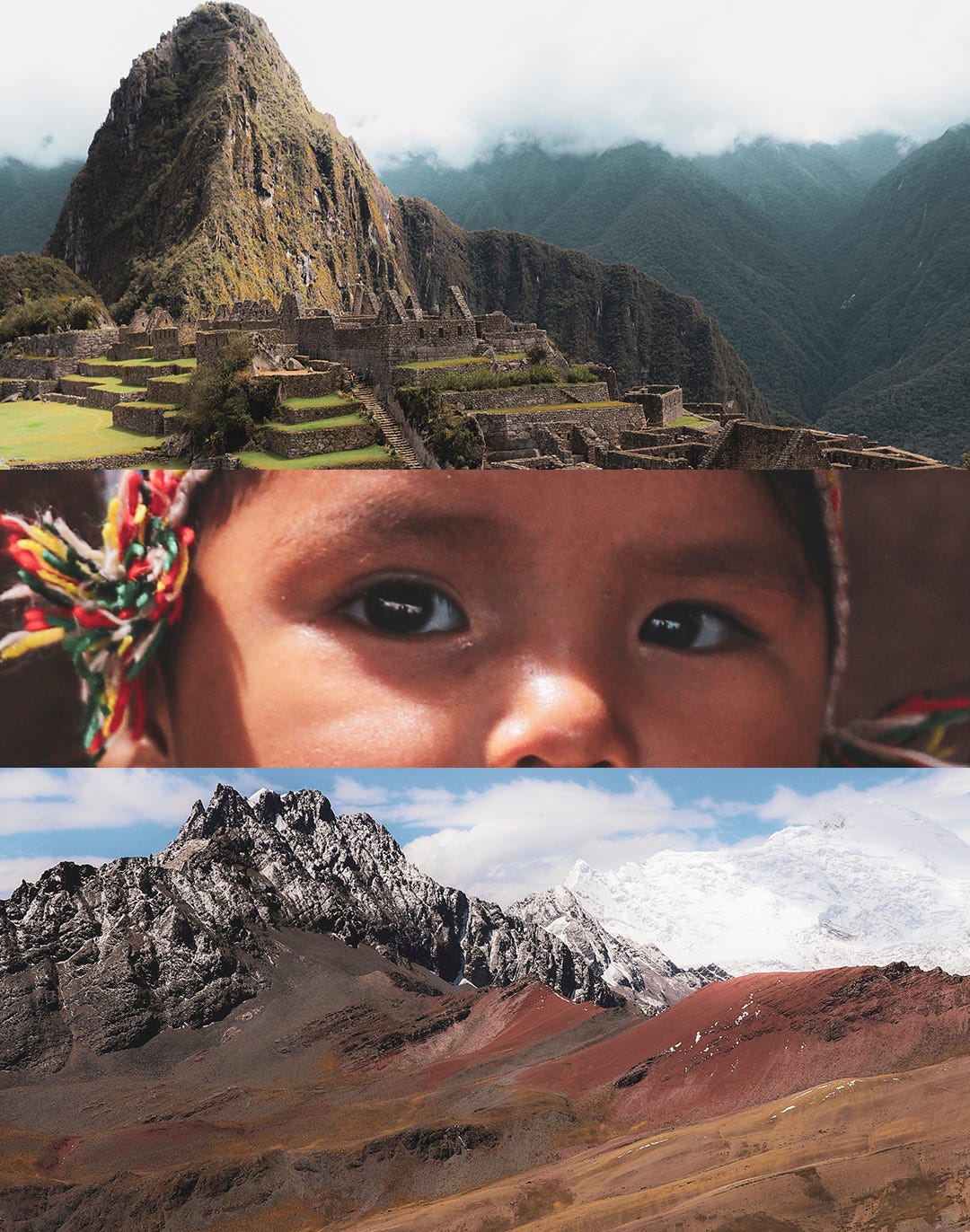
Beyond its historical significance, Machu Picchu possesses a palpable mystical aura that captivates visitors. The city’s location high in the Andes, surrounded by towering peaks and shrouded in mist, creates a sense of otherworldly beauty and tranquility.
The Energy of the Land:
Many believe that Machu Picchu is a place of powerful energy, a vortex where the spiritual and physical worlds intersect. Some claim to feel a heightened sense of awareness or connection to the divine while exploring the site.
Spiritual Practices:
Even today, visitors come to Machu Picchu to engage in spiritual practices such as meditation, yoga, and shamanic rituals. The city’s sacred spaces, such as the Intihuatana stone and the Temple of the Sun, are considered particularly potent for these activities.
The Unanswered Questions
Despite decades of research, many questions about Machu Picchu remain unanswered.
- Who lived there? It is believed that Machu Picchu was inhabited by a relatively small population of elite Incas, priests, and artisans. However, the exact number of residents is unknown.
- Why was it abandoned? The reason for Machu Picchu’s abandonment is one of the greatest mysteries surrounding the site. Some theories suggest that it was abandoned due to disease, warfare, or a decline in the Inca empire.
- What was its true purpose? While it is generally accepted that Machu Picchu served as a royal estate or ceremonial center, its precise function remains a subject of debate.
Preservation and Tourism
The increasing popularity of Machu Picchu as a tourist destination has raised concerns about its preservation. The influx of visitors can damage the site’s fragile ecosystem and put strain on its ancient structures.
Efforts are being made to manage tourism sustainably, including limiting the number of visitors, implementing stricter regulations, and investing in conservation projects.
Visiting Machu Picchu: A Journey of a Lifetime
A visit to Machu Picchu is an unforgettable experience that combines history, culture, and natural beauty.
Getting There:
The most common way to reach Machu Picchu is by train from the town of Aguas Calientes, which is located at the foot of the mountain. Aguas Calientes can be reached by train from Cusco or Ollantaytambo. Alternatively, adventurous travelers can hike the Inca Trail, a multi-day trek that leads directly to Machu Picchu.
Best Time to Visit:
The best time to visit Machu Picchu is during the dry season (May to September), when the weather is clear and sunny. However, this is also the peak tourist season, so expect larger crowds.
What to Expect:
Be prepared for high altitude and physical exertion. The air at Machu Picchu is thin, so it is important to acclimatize before embarking on strenuous activities. Wear comfortable shoes and clothing, and bring plenty of water and sunscreen.
Conclusion
Machu Picchu is more than just a collection of ancient stones; it is a living testament to the ingenuity, artistry, and spiritual depth of the Inca civilization. Its mystical aura, combined with its rich history and stunning natural setting, makes it a truly unique and unforgettable destination. As we explore its ruins and ponder its mysteries, we gain a deeper appreciation for the legacy of the Inca and the enduring power of the human spirit.
Additional Points to Consider Adding (if you want to expand further):
- The role of the Andes Mountains in Inca culture: The mountains were considered sacred and played a significant role in their cosmology.
- The Inca road system (Qhapaq Ñan): How it connected the empire and facilitated communication and trade.
- The impact of Spanish colonization on the Inca civilization: The arrival of the Spanish marked the end of the Inca empire and led to the destruction of many Inca sites.
- The ongoing research and discoveries at Machu Picchu: New discoveries are still being made, shedding light on the city’s history and purpose.
- The importance of cultural sensitivity when visiting Machu Picchu: Respecting the site’s cultural significance and avoiding any actions that could damage or deface it.
I hope this comprehensive article provides a good overview of Machu Picchu!