Jeju Island Beaches: South Korea’s Volcanic Beach Vibes
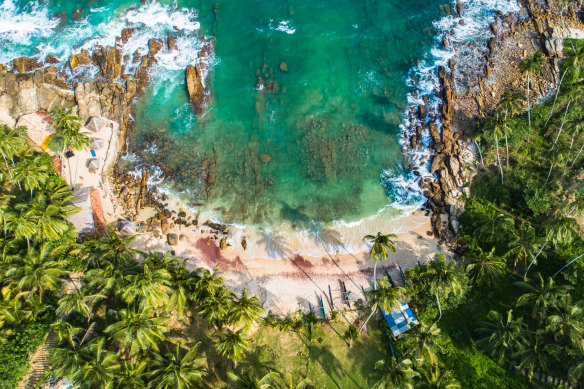
Jeju Island, a volcanic paradise off the southern coast of South Korea, is renowned for its dramatic landscapes, lush greenery, and, of course, its stunning beaches. Unlike the typical tropical beaches of Southeast Asia, Jeju’s beaches possess a unique character shaped by the island’s volcanic origins. The interplay of black basalt cliffs, emerald waters, and golden sands creates an unforgettable coastal experience.
A Volcanic Legacy
Before diving into the specifics of Jeju’s beaches, it’s essential to understand the island’s geological history. Jeju Island was formed by volcanic activity over millions of years. The most recent eruptions occurred around 5,000 years ago, leaving behind a distinctive landscape dotted with volcanic cones (oreums), lava tubes, and basalt formations.
This volcanic heritage is evident in the beaches themselves. The black basalt rocks that fringe many of the shorelines are a constant reminder of the island’s fiery past. In some areas, the sand is even tinged with black, creating a striking contrast with the turquoise waters.
The Allure of Jeju’s Beaches
Jeju’s beaches offer a diverse range of experiences, from lively stretches perfect for swimming and water sports to secluded coves ideal for relaxation and contemplation. Here’s a look at some of the most popular and noteworthy beaches:
-
Hyeopjae Beach: Located on the western side of the island, Hyeopjae Beach is arguably one of Jeju’s most iconic. Its shallow, turquoise waters and white sand make it a favorite among families. The beach is backed by a pine forest, providing shade and a pleasant aroma. The nearby Biyangdo Island adds to the scenic charm, creating a picture-perfect backdrop.
-
Hamdeok Beach: Situated on the northeastern coast, Hamdeok Beach is another popular choice for swimming and water activities. Its shallow, clear waters are ideal for children, and there are plenty of amenities, including restaurants, cafes, and water sports rentals. The iconic Seoubong Peak rises in the distance, adding to the beach’s scenic appeal.
-
Jungmun Saekdal Beach: Located on the southern coast, Jungmun Saekdal Beach is known for its multicolored sand, which ranges from black to white to red. The beach is surrounded by dramatic cliffs and rock formations, making it a popular spot for photography. The waves here can be stronger than on other beaches, making it a favorite among surfers.
-
Iho Tewoo Beach: Located near Jeju City, Iho Tewoo Beach is easily accessible and offers a convenient escape from the urban bustle. The beach is famous for its colorful horse-shaped lighthouses, which have become a symbol of Jeju. It’s a great spot for swimming, sunbathing, and enjoying a leisurely stroll along the shore.
-
Gwakji Gwamul Beach: Gwakji Gwamul Beach is located in the north part of Jeju. It’s famous for its sunset and natural springs that flows out of the ground.
-
Woljeongri Beach: Situated on the northeastern coast, Woljeongri Beach is known for its picturesque cafes and calm, turquoise waters. The beach is a popular spot for windsurfing and kitesurfing, and there are several rental shops nearby. The colorful chairs and tables scattered along the shore add to the beach’s relaxed and bohemian vibe.
-
Pyoseon Beach: Located on the southeastern coast, Pyoseon Beach is known for its unique tidal flats, which stretch out for kilometers during low tide. The beach is a great place for exploring marine life and enjoying a leisurely walk. The nearby Jeju Folk Village is a popular attraction for those interested in traditional Korean culture.

Beyond the Beaches: Exploring Jeju’s Coastal Wonders
Jeju’s coastline is more than just beaches. It’s a tapestry of dramatic cliffs, hidden coves, and volcanic rock formations. Exploring these coastal wonders is an essential part of any Jeju adventure.
-
Jusangjeolli Cliffs: Located on the southern coast, the Jusangjeolli Cliffs are a stunning example of Jeju’s volcanic heritage. These hexagonal basalt columns were formed by the rapid cooling of lava as it flowed into the sea. The cliffs are a popular spot for photography, and the crashing waves create a dramatic spectacle.
-
Seopjikoji: Located on the eastern coast, Seopjikoji is a scenic headland known for its dramatic cliffs, rock formations, and coastal wildflowers. The area is particularly beautiful in the spring when the canola flowers are in bloom. The iconic Hyeopja Beacon Fire Station stands atop the headland, offering panoramic views of the coastline.
-
Manjanggul Lava Tube: While not directly on the coast, the Manjanggul Lava Tube is an essential part of Jeju’s volcanic landscape. This UNESCO World Heritage Site is one of the longest lava tubes in the world, stretching for over 8 kilometers. Exploring the tube is a unique and fascinating experience, offering a glimpse into the island’s geological past.
Activities and Experiences
Jeju’s beaches and coastline offer a wide range of activities and experiences for visitors of all ages.
-
Swimming and Sunbathing: The calm, shallow waters of many of Jeju’s beaches make them ideal for swimming and sunbathing. Hyeopjae, Hamdeok, and Iho Tewoo beaches are particularly popular for these activities.
-
Water Sports: Jeju’s coastline is a haven for water sports enthusiasts. Surfing, windsurfing, kitesurfing, kayaking, and paddleboarding are all popular activities. Jungmun Saekdal Beach is known for its waves, while Woljeongri Beach is a favorite among windsurfers and kitesurfers.
-
Snorkeling and Diving: Jeju’s clear waters and diverse marine life make it a great destination for snorkeling and diving. The southern coast, in particular, offers several excellent dive sites.
-
Hiking and Walking: Jeju’s coastline is crisscrossed with scenic hiking trails that offer stunning views of the sea and surrounding landscapes. The Jeju Olle Trails are a network of long-distance walking paths that circumnavigate the island, offering a unique way to experience its natural beauty.
-
Fishing: Fishing is a popular pastime on Jeju Island, and there are several opportunities for both shore fishing and boat fishing.
-
Relaxing and Rejuvenating: Jeju’s beaches are also perfect for simply relaxing and rejuvenating. Enjoy a leisurely stroll along the shore, soak up the sun, or indulge in a massage at one of the many spas on the island.
Sustainable Tourism and Conservation
As Jeju Island’s popularity as a tourist destination continues to grow, it’s essential to prioritize sustainable tourism and conservation efforts. Protecting the island’s natural beauty and cultural heritage is crucial for ensuring that future generations can enjoy its wonders.
Here are some ways to practice responsible tourism on Jeju Island:
-
Respect the Environment: Avoid littering, stay on marked trails, and refrain from disturbing wildlife.
-
Support Local Businesses: Choose locally owned restaurants, shops, and accommodations to support the local economy.
-
Conserve Resources: Be mindful of your water and energy consumption.
-
Learn About the Local Culture: Take the time to learn about Jeju’s unique culture and traditions.
-
Participate in Conservation Efforts: Consider volunteering for local conservation organizations or donating to environmental causes.
Planning Your Trip
-
Best Time to Visit: The best time to visit Jeju Island is during the spring (April-May) or autumn (September-October) when the weather is mild and pleasant. Summer (June-August) can be hot and humid, while winter (November-March) can be cold and windy.
-
Getting Around: The most convenient way to get around Jeju Island is by renting a car. Public transportation is available, but it can be slow and infrequent.
-
Accommodation: Jeju Island offers a wide range of accommodation options, from budget-friendly guesthouses to luxury hotels.
-
Food: Jeju Island is known for its fresh seafood, black pork, and Hallabong oranges. Be sure to try some of the local specialties during your visit.
Conclusion
Jeju Island’s beaches are a unique and unforgettable destination. Their volcanic origins, diverse landscapes, and range of activities make them a must-see for any traveler to South Korea. Whether you’re seeking adventure, relaxation, or simply a chance to connect with nature, Jeju’s beaches offer something for everyone. By practicing responsible tourism and supporting conservation efforts, we can ensure that these coastal wonders remain a treasure for generations to come.