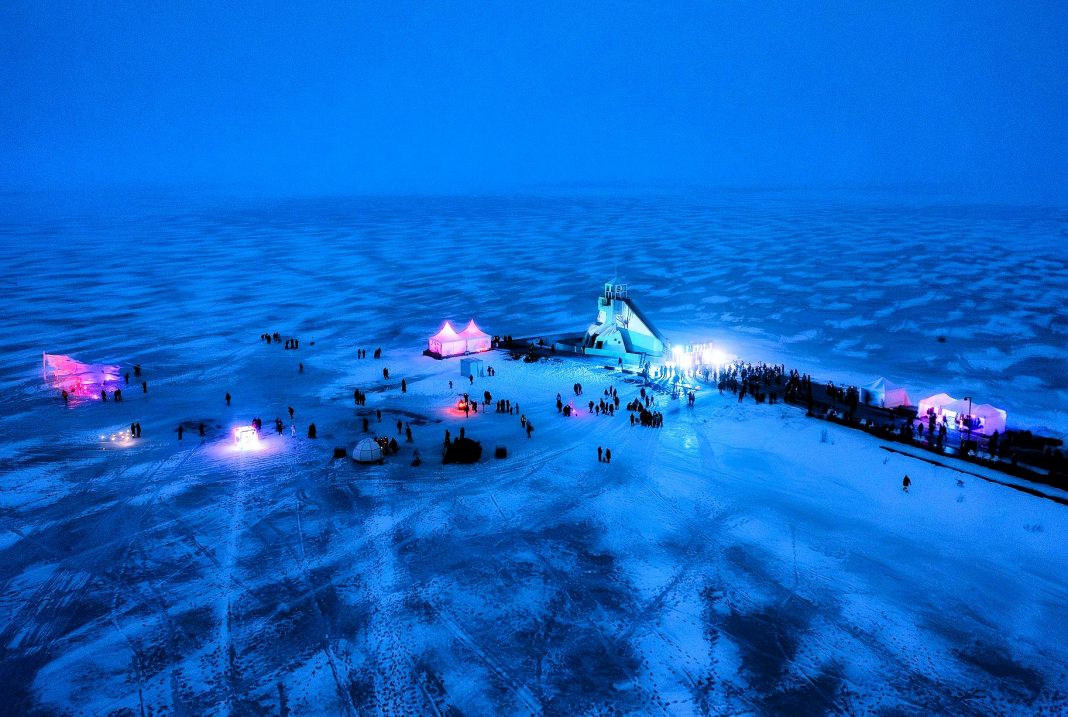
Why the Ocean Matters: Secrets Hidden Beneath the Waves
Introduction: The Blue World We Barely Understand
If there’s one place on Earth that still feels mysterious, untouched, and unbelievably vast, it’s the ocean. Even though we live on a planet that’s mostly covered in water—about 71% of Earth is ocean—we actually know surprisingly little about what lies beneath the waves. We know more about outer space than the deepest parts of the sea. That’s crazy when you think about it, right?
When most people hear the word “ocean,” they think of beaches, vacations, snorkeling, or maybe that one time a jellyfish ruined their holiday. But the ocean is so much more than a pretty place to swim. It’s the heart of our planet. It controls our climate, produces most of the oxygen we breathe, feeds billions of people, and supports an entire web of life filled with creatures that still leave scientists speechless.
This article is your deep dive—pun totally intended—into why the ocean matters, why it’s essential to life on Earth, and the incredible secrets that still hide beneath the waves. So grab a drink, get comfy, and get ready to explore a world that’s been around for billions of years but still feels brand new.
1. The Ocean Is Earth’s Life Support System
Let’s start with the big one: we literally cannot survive without the ocean.
1.1 The Ocean Makes Most of the Oxygen We Breathe
Here’s something people rarely know:
Around 50–70% of the oxygen in the air comes from the ocean.
Not from forests. Not from plants on land. From the sea.
This oxygen is produced by phytoplankton, tiny microscopic organisms that live near the ocean’s surface. They’re like the grass of the sea—small but powerful.
Imagine billions of tiny green specks floating in water, quietly producing more oxygen than all the rainforests combined. Without them, we’d be gasping for air.
1.2 The Ocean Controls Earth’s Temperature
The ocean acts like Earth’s air conditioner. It absorbs heat during hot seasons and releases it during colder ones. That’s why coastal cities tend to have more stable temperatures than inland areas.
Without the ocean regulating heat, Earth would swing between freezing and melting like a broken thermostat.
1.3 It Produces Rain and Weather Systems
Most of the water in our clouds comes from ocean evaporation. No ocean = no rain = no rivers, no crops, no life. Simple as that.
The ocean also drives:
hurricanes
monsoons
storms
winds
global weather patterns
It’s basically the control center of Earth’s climate.
2. The Ocean Is Home to 91% of Earth’s Species (Many Still Unknown)
Life on land is cool… elephants, lions, cute alpacas. But the ocean? That’s where things get wild.
2.1 Most Ocean Life Has Not Been Discovered Yet
Scientists estimate:
There are about 2.2 million marine species.
But we’ve only discovered around 10% of them.
That means 90% of ocean life is still unknown.
Somewhere down there could be:
creatures that glow in the dark
gigantic animals we’ve never seen
species older than dinosaurs
organisms that can survive extreme heat, cold, and pressure
The deep sea is basically a real-life alien world.
2.2 The Deep Sea Is a Complete Mystery
Most of the ocean is dark, cold, and under crushing pressure. For humans, it’s one of the most extreme environments on the planet.
Yet life thrives there:
glowing jellyfish
giant squid
fish with transparent heads
animals that don’t need sunlight at all
It’s like something out of a sci-fi movie.
2.3 Coral Reefs: The Rainforests of the Sea
Coral reefs take up less than 1% of the ocean floor, but they house 25% of all marine species.
They’re vibrant underwater cities full of color and movement, with fish, crabs, sharks, and plants living in perfect balance.
Coral reefs also:
protect coastlines
support tourism
provide medicines
feed entire communities
They’re incredibly valuable—and incredibly fragile.
3. The Ocean Feeds the World
More than 3 billion people rely on the ocean as their primary source of food.
From tuna to salmon to shrimp to seaweed, the ocean is the kitchen of the planet.
3.1 Seafood Is a Major Protein Source
Fish is one of the healthiest and most accessible proteins on Earth. Many countries rely heavily on fishing for both food and income.
Without the ocean, entire communities would face hunger and poverty.
3.2 Fisheries Support Economies
Millions of people around the world work in:
fishing
seafood processing
marine tourism
coastal farming
The ocean creates jobs, supports families, and strengthens global trade.
3.3 Seaweed: The Future Food
Seaweed is becoming the next big global food trend.
Why?
It grows fast
It doesn’t need fertilizer
It absorbs carbon
It can be eaten or used for packaging
It might just be one of the ocean’s biggest gifts for our future.
4. The Ocean Stores Carbon and Slows Climate Change
One of the ocean’s most important yet underrated roles is its ability to absorb carbon dioxide (CO₂).
4.1 The Ocean Absorbs 25–30% of Global CO₂
Humans release billions of tons of CO₂ each year, mostly from cars, factories, and energy use. The ocean absorbs a huge chunk of that. Without this natural carbon sink, global warming would be much worse.
4.2 Marine Plants Absorb More Carbon Than Forests
Mangroves, seagrass, and salt marshes—known as “blue carbon ecosystems”—store carbon up to 10 times faster than land-based forests.
But here’s the twist: when they’re destroyed, they release that carbon back into the atmosphere, accelerating climate change.
So protecting the ocean means protecting ourselves.
5. Hidden Secrets Beneath the Waves
Now we get to the fun part: the secrets the ocean still hides. These mysteries make scientists, travelers, and ocean lovers fall in love with the sea over and over again.
5.1 The Deepest Part of the Ocean Is Almost Completely Unknown
The Mariana Trench in the Pacific Ocean is the deepest point on Earth, nearly 11,000 meters (36,000 ft) deep.
To compare:
Mount Everest = 8,848 meters
Mariana Trench = deeper than Everest is tall
Only a handful of people have ever been to the bottom.
What’s down there?
We’ve only scratched the surface.
5.2 Underwater Volcanoes and Mountains
Did you know:
There are more volcanoes and mountains under the ocean than on land?
Underwater volcanoes create new islands, shape continents, and support unique ecosystems filled with strange organisms that don’t need sunlight to survive.
Some animals near hydrothermal vents can live in boiling-hot temperatures. That’s insane.
5.3 Sunken Cities and Lost Civilizations
Beneath the waves lie:
ancient cities
temples
lost settlements
shipwrecks
Some are over 10,000 years old.
These underwater ruins tell stories about cultures and civilizations long forgotten.
5.4 Species That Glow in the Dark
Bioluminescence is one of the ocean’s coolest secrets.
Fireflies? Cute.
Glowing jellyfish the size of cars? Next-level.
Many deep-sea animals create their own light—for hunting, communication, or camouflage.
Imagine walking through a forest at night where everything glows. That’s the deep sea—only much stranger.
5.5 The Ocean Has Its Own “Internet” System
Marine animals—from whales to shrimp—use sound waves to communicate across long distances.
Whale songs can travel hundreds of kilometers.
Some fish “talk” using clicking sounds.
Shrimp create noises loud enough to interfere with sonar.
It’s like a giant underwater communication network.
6. Why the Ocean Is in Danger
As magical as the ocean is, it’s also facing massive threats.
6.1 Plastic Pollution
Every year, millions of tons of plastic enter the ocean. It breaks into tiny pieces called microplastics, which end up in:
fish
sea salt
drinking water
even human bodies
Not great.
6.2 Overfishing
Some species are on the brink of disappearing because we take more fish than the ocean can replace.
6.3 Coral Bleaching
Warmer water causes corals to lose their color and die. Entire reefs are turning white around the world.
6.4 Climate Change
Rising sea levels, unstable weather, and warmer oceans are hurting marine life.
6.5 Oil Spills and Chemical Waste
Pollution from shipping and industry damages fragile ecosystems.
7. Why Protecting the Ocean Protects Our Future
Saving the ocean isn’t just about saving fish—it’s about saving ourselves.
7.1 Health and Medicine
Marine organisms have been used to develop:
cancer treatments
pain medicine
antiviral drugs
anti-inflammatory compounds
Many more ocean-based medicines are waiting to be discovered.
7.2 Food Security
Sustainable fishing ensures future generations can eat.
7.3 Climate Stability
Healthy oceans = healthier climate.
7.4 Economy and Tourism
Beautiful beaches and coral reefs attract millions of travelers.
8. How You Can Help Save the Ocean (Even Without Leaving Home)
You don’t need to be a marine biologist or live near the coast to make a difference.
Here are simple steps you can take:
✔ Reduce single-use plastic
Choose bags, bottles, and containers you can reuse.
✔ Support sustainable seafood
Look for certified seafood options.
✔ Use reef-safe sunscreen
Chemicals in normal sunscreen can harm coral reefs.
✔ Reduce carbon footprint
Small habits help slow climate change.
✔ Support ocean conservation organizations
They do the big work—but you make it possible.
Conclusion: The Ocean Is Not Just Water—It’s Life
So why does the ocean matter?
Because it breathes for us.
Feeds us.
Protects us.
Stabilizes our climate.
Supports millions of species.
Holds secrets older than humanity.
And it reminds us that the world is so much bigger and more magical than we think.
The ocean is not just a destination.
It’s a living, breathing force that shapes everything on Earth.