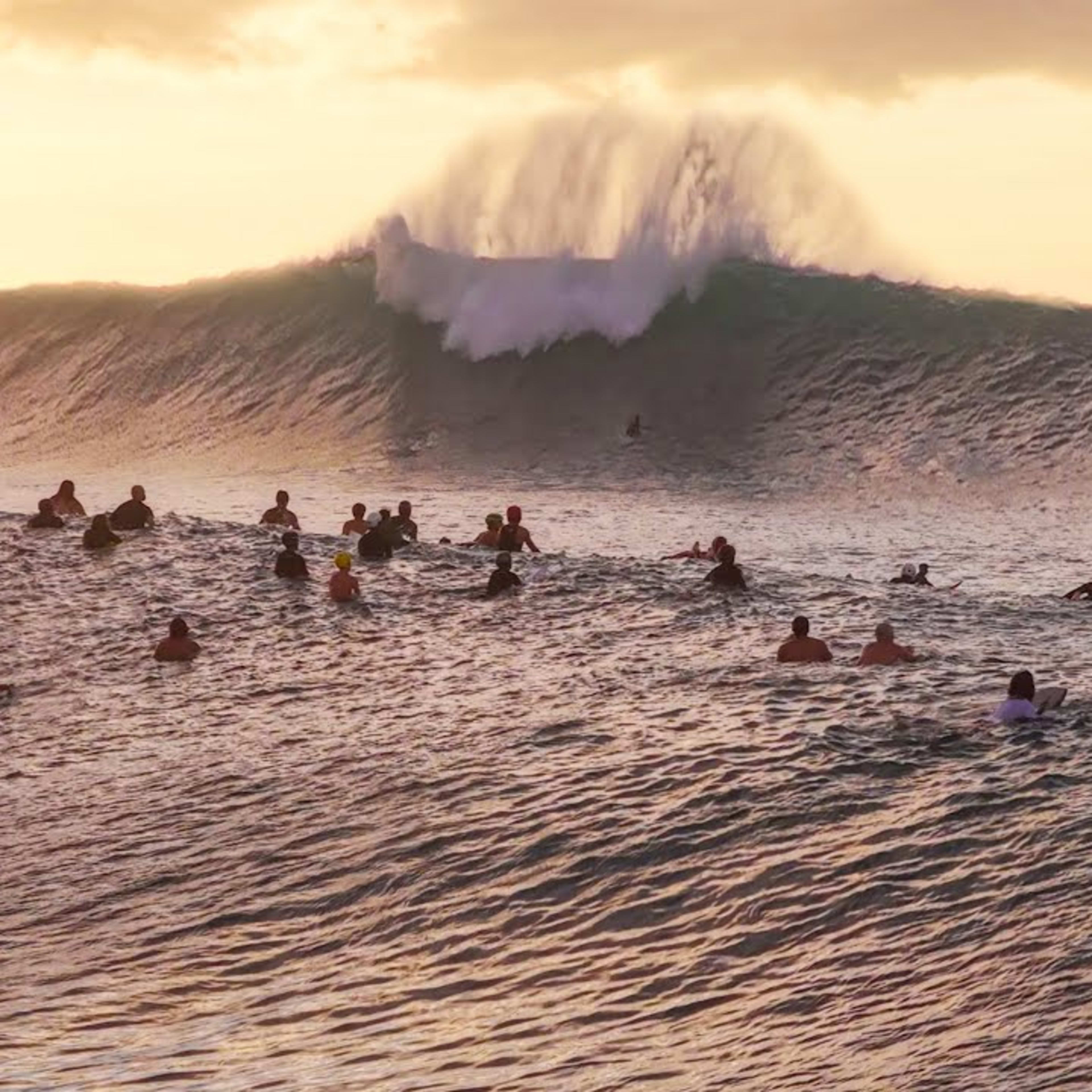
Most Dangerous Seas in the World — You Won’t Believe
Why the world’s most beautiful waters can also be the most terrifying
When you hear the word ocean, you probably imagine relaxing beaches, turquoise waves, and peaceful vibes perfect for vacations. But here’s the thing people often forget: the ocean is not just beautiful — it’s wild, enormous, unpredictable, and sometimes extremely dangerous.
In fact, some seas around the world are so intense that even experienced sailors, divers, and marine researchers think twice before entering. From deadly storms to powerful whirlpools, from giant waves to mysterious disappearances, these waters carry stories that feel straight out of movies.
So today, let’s dive deep (not literally!) into the most dangerous seas in the world, the ones filled with extreme weather, legendary creatures, deadly currents, and mysteries that humanity still can’t fully explain.
Get ready — some of these will shock you.
1. The Bermuda Triangle — The Sea of Disappearances
Let’s start with the most famous (or infamous) of them all: The Bermuda Triangle.
Located between Miami, Bermuda, and Puerto Rico, this area has been known for decades as a mysterious zone where ships and planes simply… vanish.
Why is it dangerous?
Sudden violent storms that appear without warning
Strong underwater currents
Magnetic anomalies that allegedly mess with navigation tools
Deep trenches that hide wreckage forever
Pilots have reported losing control of their instruments. Ships have sent distress signals just seconds before disappearing. Scientists say many cases can be explained logically — but honestly, even with explanations, the place is creepy enough to make anyone nervous.
Some people even believe:
Time warps
Alien abductions
Hidden whirlpools
Methane explosions from the seafloor
Regardless of the theories, one thing is clear: the Bermuda Triangle isn’t a place to explore casually.
2. The Drake Passage — The Wildest Waters on Earth
If you think your local sea gets rough sometimes, try crossing the Drake Passage.
This is the stretch of ocean between Cape Horn (South America) and Antarctica, and it’s considered the roughest waterway on the planet.
What makes it terrifying?
Massive waves up to 40 feet
Strong winds reaching hurricane-level speeds
Freezing waters
Constant storms
The mixing of warm and cold currents creates giant waves known as rogue waves, which are powerful enough to crush large ships.
Even modern cruise ships feel like roller coasters when crossing it. Ask anyone who’s been to Antarctica — they’ll tell you the Drake Passage humbles even the bravest travelers.
3. The Mediterranean Sea — Calm Beauty With Deadly Surprises
Surprised? Many people are!
Even though the Mediterranean is known for luxury yachts, charming coastlines, and sunshine, some parts of it are extremely dangerous.
Why?
Sudden storms
Unexpected giant waves
Narrow waters that trap strong winds
High levels of maritime traffic leading to collisions
The Mediterranean has a long history of shipwrecks, pirates, naval battles, and intense weather patterns. The storms here strike fast, usually catching sailors completely off guard.
Don’t judge a sea by its pretty beaches — some of the deadliest waters are also the most beautiful.
4. The Arabian Sea — Deadly Cyclones and Pirate Territory
The Arabian Sea, located between India, Oman, Somalia, and Pakistan, isn’t just busy — it’s unpredictable and intense.
Reasons it’s dangerous:
Frequent cyclones, especially near Oman and India
Extreme monsoon waves
Large sections plagued by modern-day piracy
Strong, unpredictable currents
The northern part of the Arabian Sea is one of the world’s hotspots for super cyclones, the type that can wipe out coastlines and sink ships within minutes.
And then there’s the Somali coast — long known as a dangerous route due to piracy. Many commercial ships avoid the area or travel heavily guarded.
5. The South China Sea — Storms, Conflicts, and Rough Currents
The South China Sea is one of the busiest shipping routes in the world — and one of the most dangerous.
Why it’s on this list:
Frequent typhoons
Territorial conflicts between countries
Extremely rough waves
Hidden reefs that damage ships
More than one-third of global shipping passes through here, but so do some of the worst storms in Asia. Typhoons can reach catastrophic levels, and the shifting sandbars make navigation tricky.
Add in the political tensions, military presence, and unpredictable weather, and you’ve got one of the riskiest seas on Earth.
6. The Tasman Sea — Where Waves Reach Monster Size
Between Australia and New Zealand lies the Tasman Sea, famous for its brutal waves, strong winds, and extreme storms.
Many sailors call it “The Ditch,” but crossing it is anything but casual.
Its dangers include:
Rogue waves
Sudden storms
Powerful winds
Huge swell from the Southern Ocean
Several yacht races crossing the Tasman Sea have ended in tragedy because the weather changes too fast for people to react.
This is not a place for weak stomachs or beginner sailors.
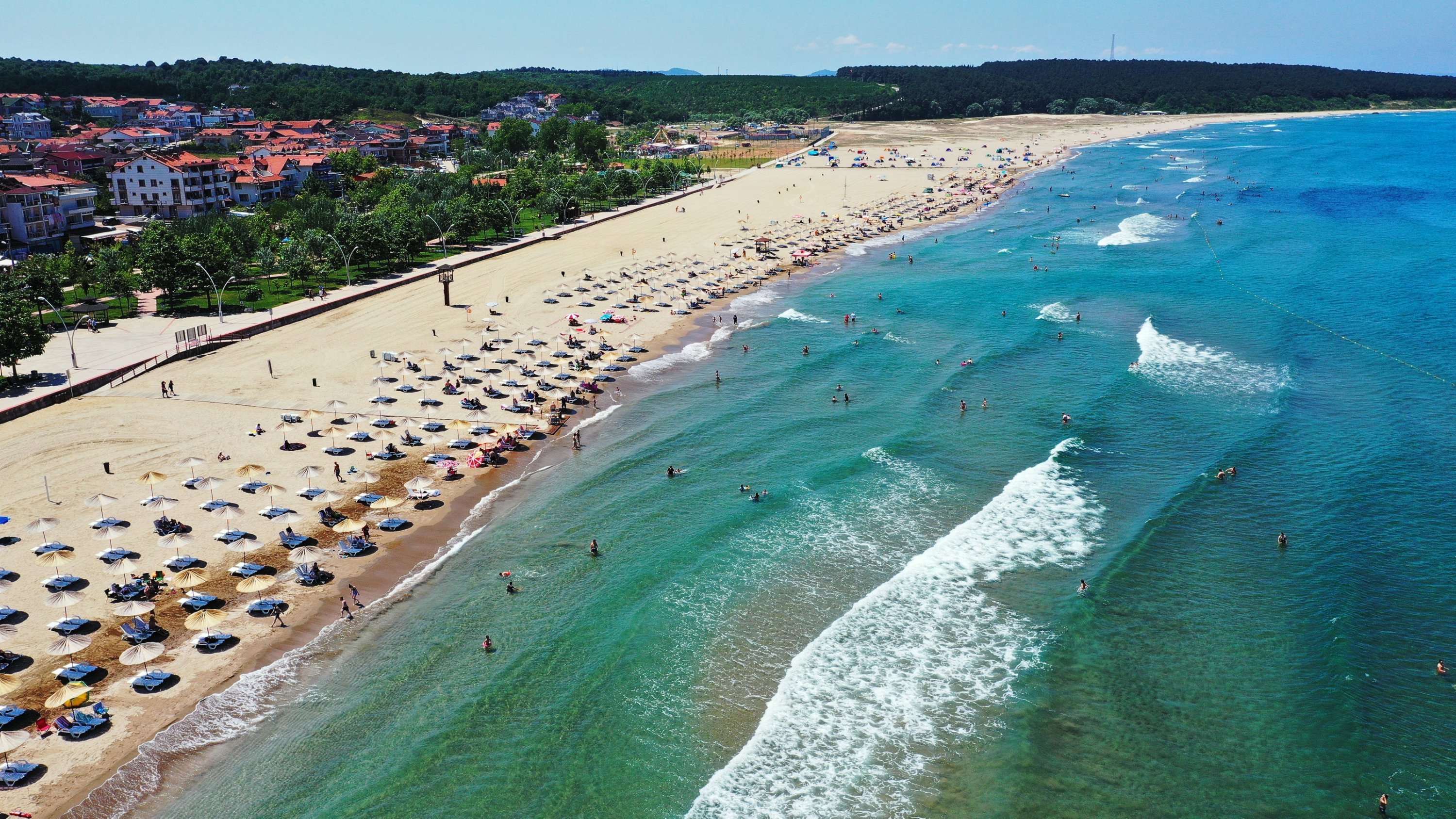
7. The Black Sea — Beautiful but Full of Surprises
The Black Sea looks calm on the surface, but underneath, it’s a different world.
What makes it dangerous?
Strong underwater currents
Low oxygen levels deadly to marine life
Thick fog that blinds sailors
Sudden storms
And here’s something wild:
The lower layers of the Black Sea contain hydrogen sulfide, a toxic gas. If disturbed in large amounts (by underwater earthquakes or landslides), it could theoretically cause a major environmental disaster.
Creepy, right?
8. The North Sea — Cold, Stormy, and Brutal
Located between UK, Norway, Belgium, Denmark, and Germany, the North Sea is known for:
Rough winter storms
Freezing temperatures
Oil platform dangers
Strong tides
Many ships have sunk here over the centuries because of unpredictable waves and violent weather.
Fishermen who work here call it unforgiving.
Even modern offshore oil rigs constantly fight against the sea’s extreme power.
9. The Caribbean Sea — Beauty With a Dangerous Side
The Caribbean is known for clear water, sunshine, and vacation vibes — but beneath the tropical beauty lies some intense dangers.
Why it made the list:
Hurricanes
Strong rip currents
Volcanic activity
Deep trenches and unpredictable underwater faults
The Caribbean Sea sits in a hurricane zone, meaning storms can grow powerful fast. Add in underwater volcanoes (like Kick ’em Jenny) and deep trenches, and suddenly the paradise doesn’t seem so peaceful.
10. The Philippine Sea — Home of Super Typhoons
The Philippine Sea, part of the western Pacific Ocean, is infamous for the world’s strongest tropical storms.
What makes it deadly?
The strongest typhoons on Earth
Massive waves
Deep trenches causing sudden current changes
Frequent earthquakes and tsunamis
The region has produced storms with winds over 300 km/h, enough to destroy entire cities and sink large vessels.
Even the famous Mariana Trench is here — the deepest part of the world’s oceans.
This is a sea filled with raw natural power.
What Makes These Seas So Dangerous?
After exploring all these waters, you might wonder:
Why are some seas peaceful, while others are deadly?
Here are the main factors:
1. Weather Patterns
Some oceans sit in zones where storms naturally form, especially typhoons, hurricanes, and cyclones.
2. Underwater Geography
Deep trenches, volcanic ridges, and narrow channels cause unpredictable currents.
3. Temperature Differences
Warm and cold water mixing can create giant waves.
4. Human Factors
Heavy ship traffic
Piracy
Naval conflicts
5. Strong Currents and Tides
Some seas have powerful rip currents capable of pulling ships off course.
Nature is beautiful, but it’s also fierce.
Why Are People Still Attracted to These Seas?
Despite the dangers, many of these seas attract:
Explorers
Scientists
Divers
Sailors
Tourists
Why?
Because the ocean holds mysteries we still haven’t solved.
Shipwrecks, lost cities, strange marine animals, uncharted territory — humans are naturally curious.
Plus, danger and beauty often go hand in hand.
Final Thoughts
The ocean is one of Earth’s greatest treasures — beautiful, massive, and full of life. But like anything powerful, it must be respected.
The seas on this list are reminders that nature can be unpredictable and wild, no matter how dazzling it looks from the surface.
So the next time you see clear blue water or peaceful waves, remember: the ocean has many faces. Some gentle, some beautiful… and some terrifying.