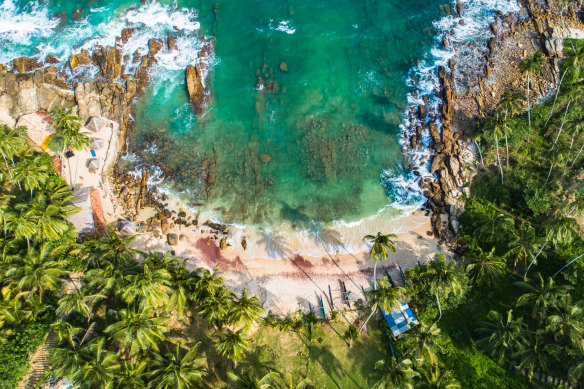
/GettyImages-498839091-5887fd623df78c2ccdd246d3.jpg "Mount Rinjani: An Exotic And Adventurous Indonesian Odyssey")
Mount Rinjani: An Exotic and Adventurous Indonesian Odyssey
Indonesia, an archipelago of over 17,000 islands, is a land of unparalleled beauty, cultural diversity, and natural wonders. Among its myriad treasures, Mount Rinjani stands tall as a beacon for adventurers, nature enthusiasts, and those seeking an exotic escape. Located on the island of Lombok, Rinjani is not merely a mountain; it is an experience, a journey that transcends the physical and touches the soul.
A Volcanic Majesty: Introducing Mount Rinjani
Mount Rinjani, or Gunung Rinjani in Indonesian, is the second-highest volcano in Indonesia, soaring to a majestic height of 3,726 meters (12,224 feet) above sea level. This active stratovolcano is part of the Pacific Ring of Fire, a region known for its intense seismic and volcanic activity. Rinjani’s last major eruption occurred in 1994, and while it remains active, it is closely monitored, making it a safe and captivating destination for adventurous travelers.
What sets Rinjani apart is not just its towering height, but also its breathtaking caldera, Segara Anak. This vast crater lake, a shimmering turquoise jewel, is home to a new, active volcanic cone, Gunung Baru Jari (New Mountain Finger). The combination of the towering volcano, the serene lake, and the active cone creates a landscape that is both awe-inspiring and humbling.
Embarking on the Rinjani Trek: A Journey of Discovery
Trekking Mount Rinjani is not a walk in the park; it is a challenging yet rewarding adventure that demands physical endurance, mental fortitude, and a spirit of exploration. The trek typically takes 2 to 4 days, depending on the chosen route and the desired level of exploration.
Choosing Your Path: The Trekking Routes
Several trekking routes lead to the summit of Rinjani, each offering a unique perspective and level of difficulty. The two most popular starting points are Senaru and Sembalun.

Senaru Route: The Senaru route is known for its lush rainforests and gradual ascent. This route is generally considered easier than the Sembalun route, making it a good option for first-time trekkers or those who prefer a more leisurely pace. The Senaru route typically takes 3 to 4 days to complete.
-
Sembalun Route: The Sembalun route is more challenging, with steeper ascents and more exposed terrain. However, it offers stunning panoramic views of the surrounding landscapes and the caldera. The Sembalun route is often preferred by experienced trekkers seeking a more adventurous experience. This route typically takes 2 to 3 days to complete.
-
Combination Route: A popular option is to start from Sembalun and descend via Senaru, allowing trekkers to experience the best of both worlds. This route combines the challenging ascent of Sembalun with the scenic descent through the rainforests of Senaru.
The Trekking Experience: A Symphony of Senses
The Rinjani trek is a sensory feast, a journey that engages all the senses. From the moment you set foot on the trail, you are immersed in a world of natural beauty.
-
The Sights: The ever-changing landscapes are a visual delight. Lush rainforests give way to open savannas, rocky ridges, and finally, the breathtaking caldera. The sunrise from the summit is an unforgettable spectacle, painting the sky in hues of gold, orange, and pink.
-
The Sounds: The sounds of nature accompany you throughout the trek. The chirping of birds, the rustling of leaves, and the gentle lapping of waves on the shores of Segara Anak create a soothing and immersive soundscape.
-
The Scents: The air is filled with the fresh scent of pine trees, the earthy aroma of the rainforest, and the subtle fragrance of volcanic minerals.
-
The Textures: The trek is a tactile experience, from the smooth bark of trees to the rough volcanic rocks underfoot. The cool, crisp air and the warm rays of the sun create a dynamic interplay of sensations.
The Challenges: Embracing the Adventure
The Rinjani trek is not without its challenges. The altitude can be a significant factor, and altitude sickness is a potential concern. The terrain can be steep and uneven, requiring a good level of fitness and stamina. The weather can be unpredictable, with sudden changes in temperature and occasional rain.
However, these challenges are part of what makes the Rinjani trek so rewarding. Overcoming these obstacles instills a sense of accomplishment and resilience. The camaraderie among trekkers, the support of the local guides and porters, and the sheer beauty of the surroundings make the challenges worthwhile.
The Local Culture: A Glimpse into Sasak Traditions
The Rinjani trek is not just about the mountain; it is also an opportunity to experience the local culture of the Sasak people, the indigenous inhabitants of Lombok. The Sasak people have a rich cultural heritage, with their own language, traditions, and customs.
Many of the guides and porters who accompany trekkers are Sasak people, and they are eager to share their knowledge and stories with visitors. Learning about their way of life, their beliefs, and their connection to the mountain adds another layer of depth to the Rinjani experience.
Segara Anak: The Sacred Lake
Segara Anak, the crater lake within Mount Rinjani, holds a special significance for the Sasak people. The lake is considered sacred, and it is believed to be the dwelling place of spirits. Pilgrims often visit Segara Anak to make offerings and seek blessings.
The lake is also a popular spot for swimming and fishing. The hot springs near the lake offer a chance to relax and rejuvenate after a long day of trekking.
Gunung Baru Jari: The Active Cone
Gunung Baru Jari, the active volcanic cone within Segara Anak, is a reminder of the raw power of nature. The cone has erupted several times in recent years, sending plumes of ash and smoke into the air.
While Gunung Baru Jari is closely monitored, it adds an element of excitement and intrigue to the Rinjani experience. Witnessing the active cone, even from a distance, is a humbling reminder of the forces that shape our planet.
Planning Your Rinjani Adventure: Essential Tips
-
Best Time to Trek: The best time to trek Mount Rinjani is during the dry season, from April to October. During this time, the weather is generally more stable, and the trails are less slippery.
-
Permits and Fees: A permit is required to trek Mount Rinjani. Permits can be obtained from the Rinjani National Park office or through a tour operator. There is also an entrance fee to the park.
-
Tour Operators: It is highly recommended to book a trek with a reputable tour operator. Tour operators can arrange permits, transportation, accommodation, guides, and porters.
-
Fitness Level: The Rinjani trek is challenging and requires a good level of fitness. It is important to train beforehand by hiking, running, or doing other forms of cardiovascular exercise.
-
Packing Essentials:
- Hiking boots
- Warm clothing (layers)
- Rain gear
- Sunscreen
- Hat
- Sunglasses
- Headlamp or flashlight
- First-aid kit
- Water bottles or hydration pack
- Snacks
-
Altitude Sickness: Altitude sickness can be a serious concern on the Rinjani trek. It is important to acclimatize to the altitude gradually by spending a few days in Lombok before the trek. Drink plenty of water and avoid alcohol and caffeine. If you experience symptoms of altitude sickness, such as headache, nausea, or dizziness, descend to a lower altitude immediately.
-
Respect the Environment: It is important to respect the environment and leave no trace behind. Pack out all your trash and avoid disturbing the flora and fauna.
Beyond the Summit: Exploring Lombok
While Mount Rinjani is the main attraction, Lombok has much more to offer. After your trek, take some time to explore the island’s beautiful beaches, lush rice paddies, and vibrant culture.
-
Beaches: Lombok is home to some of the most beautiful beaches in Indonesia, including Selong Belanak, Tanjung Aan, and Mawun Beach. These beaches offer crystal-clear waters, white sand, and excellent surfing opportunities.
-
Rice Paddies: The rice paddies of Lombok are a stunning sight, especially during the harvest season. Take a stroll through the paddies and learn about the traditional farming methods used by the local people.
-
Waterfalls: Lombok is home to several stunning waterfalls, including Sendang Gile and Tiu Kelep. These waterfalls offer a refreshing escape from the heat and humidity.
-
Cultural Villages: Visit the traditional Sasak villages of Sade and Ende to learn about the local culture and way of life.
Conclusion: An Unforgettable Indonesian Experience
Mount Rinjani is more than just a mountain; it is an experience that will stay with you long after you leave. The challenging trek, the stunning landscapes, the rich culture, and the sense of accomplishment make Rinjani an unforgettable Indonesian adventure. Whether you are a seasoned trekker or a first-time adventurer, Rinjani offers something for everyone. So, pack your bags, lace up your boots, and prepare to embark on an exotic and adventurous odyssey to the majestic Mount Rinjani.